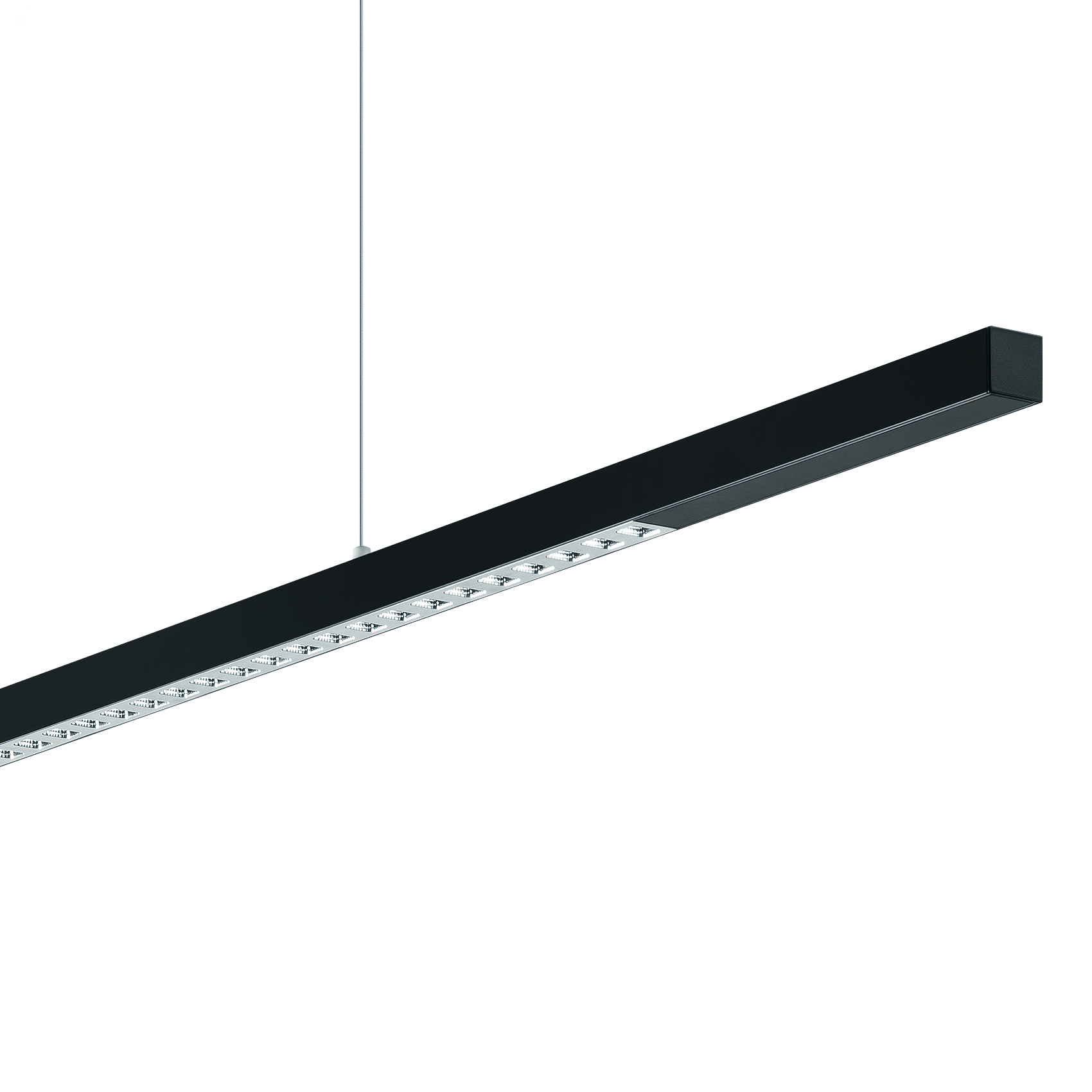
Entrances and circulation areas
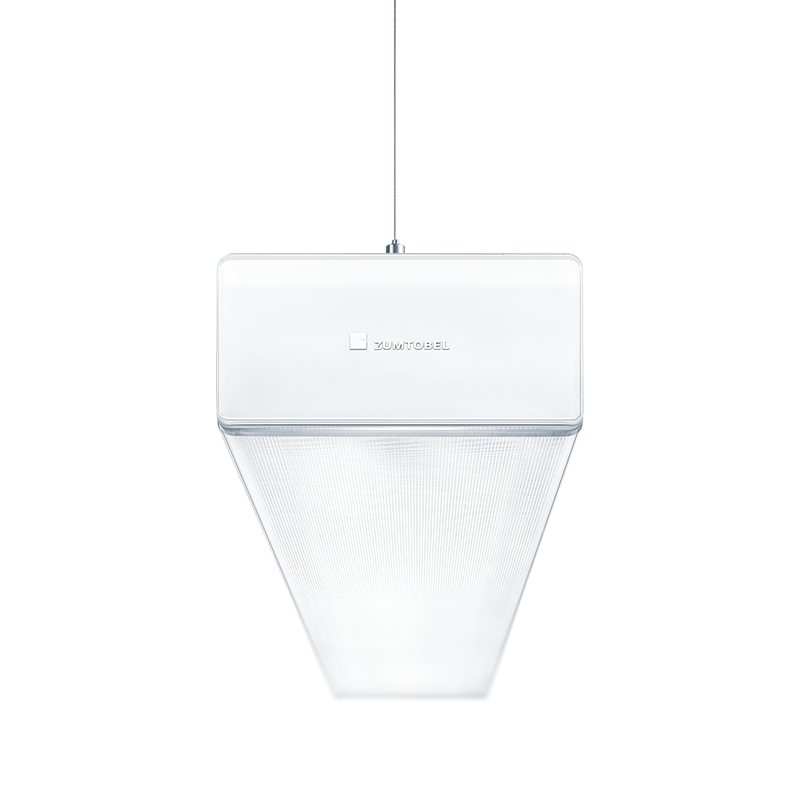
The primary lighting requirements for a reception area focus on ensuring comfort and safety by creating a welcoming atmosphere for both employees and visitors. Effective lighting should also facilitate orientation within the building by easing the transition between outdoor and indoor lighting conditions. The adjacent high-traffic areas, often also used as extended learning spaces, place additional requirements on the lighting beyond its guiding function: good contrast, prevention of glare on digital devices, and balanced shading for comfortable facial perception.

Ceremonial and lecture halls/auditoriums
Supporting multifunctional use
The light needed in lecture halls is as varied as the use of space, with high seating capacity in an often rigid and visually focused arrangement: from bright to dimmed, from bluish activating to reddish calming and festive mood lighting. The use of multimedia equipment and placing the focus on the teacher or presenter, requires a well-attuned lighting concept at the front of the hall, for good contrast and to easily recognise the presenter's facial expressions, ensuring the audience's full attention.

CATERING & CAFETERIAS
From culinary to social enjoyment
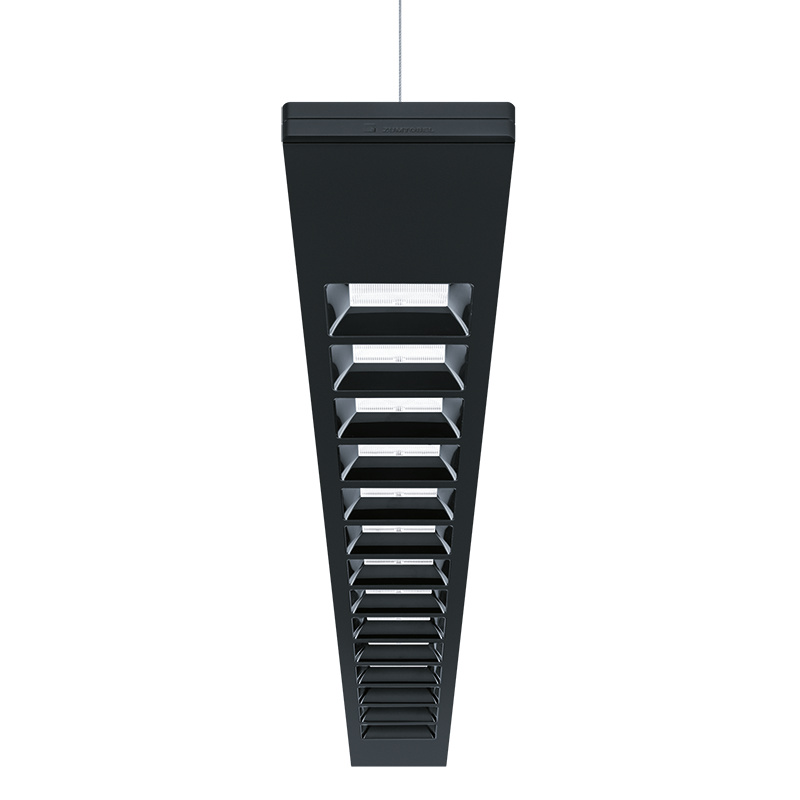
Canteens are more than just functional places to satisfy hunger. The design approach takes into account the need for friendly interactions, relaxation and communication. The canteen is a hub for communication. The focus is therefore on supporting informal interactions between pupils, students and teachers. An important argument for perfectly coordinated intensity, light colour and colour rendering in relation to the food: As we all know, you eat with your eyes.

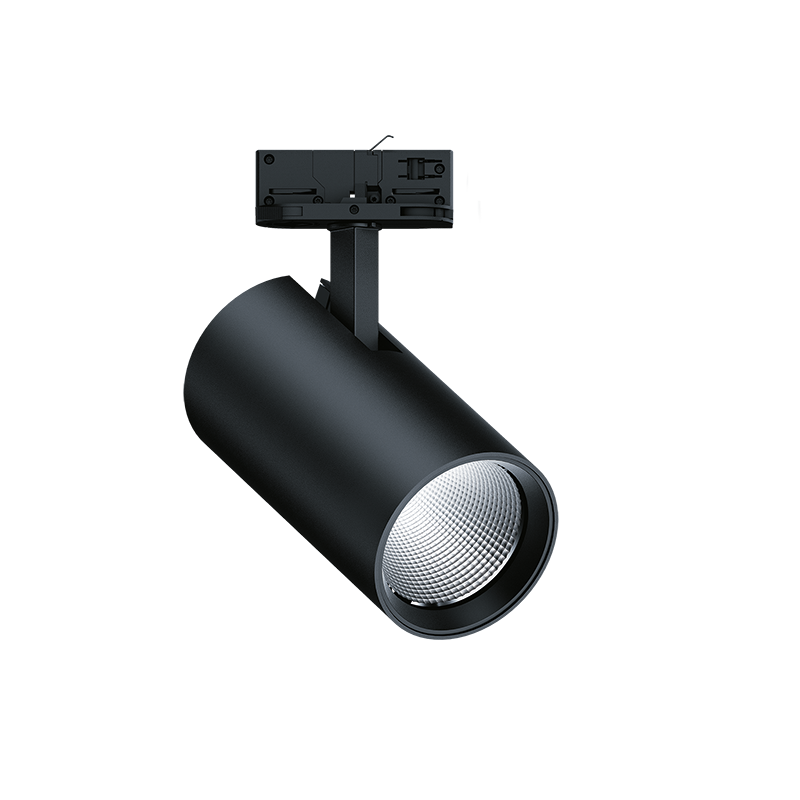
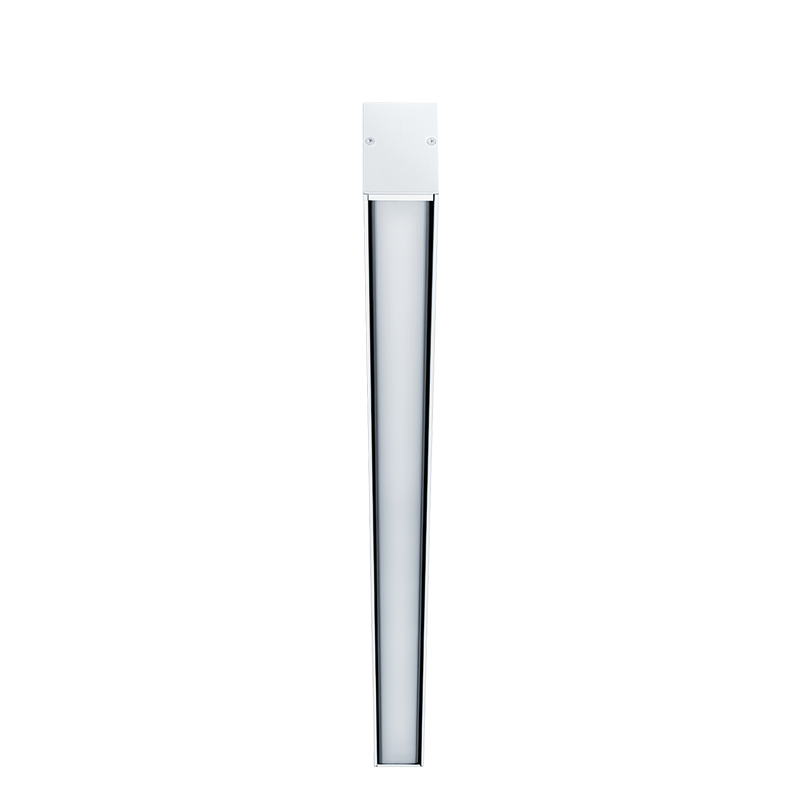
Lighting up libraries
Balance of spatial experience and perception
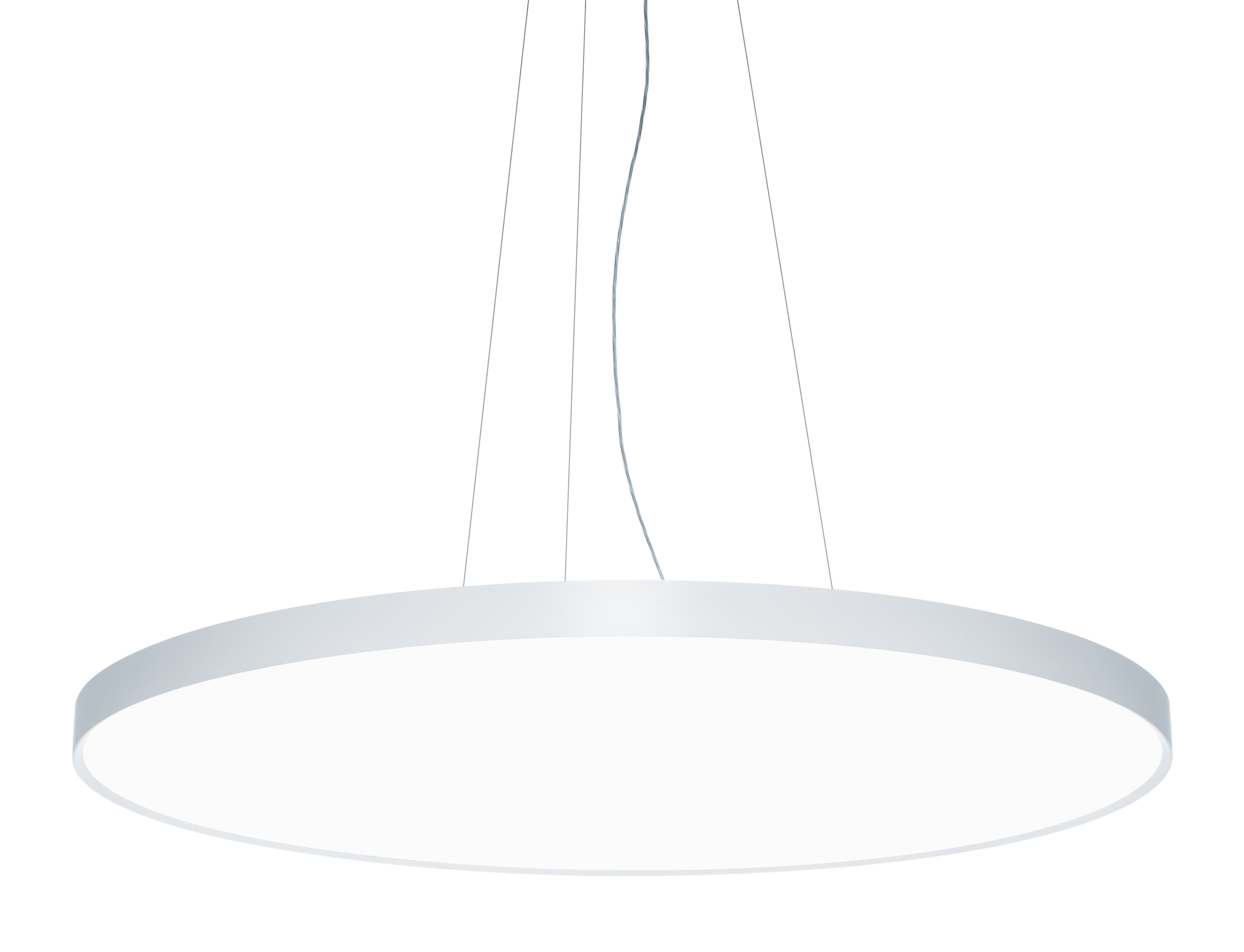
A welcoming atmosphere, focused learning or joint study sessions – libraries are rooms with a variety of uses. The success of the available products and services and the frequency of visits depend on the room’s attractiveness. A balance of spatial staging and individualised support for visual tasks is required.